



The digital disruption of recent years has prompted the Thai government to upgrade its infrastructure for better efficiency. The Thai Revenue Department has introduced several initiatives to integrate digital technology into documentation. One major initiative is the e-tax invoice system. This system is designed to help businesses manage their tax records more effectively. The transition to a digital workflow brings long-term benefits to your company.
What Is an e-Tax Invoice Under Thai Law?
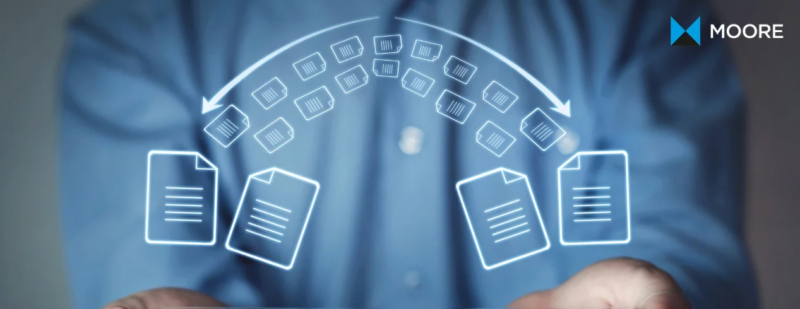
An e-tax invoice is a set of digital value-added tax documents. These documents, created in a digital format, replace traditional paper-based paperwork. The digital set typically includes a tax invoice, a receipt, a debit note, and a credit note. The Thai Revenue Department, acting as the main regulatory body, implemented this system to help value-added tax registrants issue documents securely and efficiently. The government, by replacing physical paperwork with digital files, aims to support a modern digital economy.
Why Should Your Business Switch to Electronic Tax Documenting?
Implementing the digital system offers numerous advantages for modern companies. The primary benefits include:
- Decreasing storage costs: You save money by eliminating physical document storage rooms.
- Preventing incomplete data: The system reduces the problem of missing or incomplete VAT documentation.
- Speeding up delivery: You can reduce both the time and the cost associated with document delivery.
- Protecting the environment: Lowering your use of paper and printing ink makes your business more environmentally friendly.
- Improving accuracy: The digital format increases data integrity, accuracy, and consistency in your VAT documentation.
- Enabling data analysis: Digital records allow for easier and faster financial information analysis.
What Are the Two Main Formats of e-Tax Invoices in Thailand?
The Thai Revenue Department recognizes two distinct systems for digital tax documentation. These two options differ primarily in their registration criteria, their file formats, and their methods of transferring information to the government.
Option 1: The Standard e-Tax Invoice & e-Receipt System
This standard system is suitable for businesses of all sizes because it does not have any income limitation. Companies can create documents in PDF, PDF/A-3, or XML formats. Every document, to guarantee security, must include a Digital Signature and an Electronic Certificate. The data can be submitted to the Revenue Department through a direct web upload, a host-to-host connection, or an authorized service provider.
Option 2: The e-Tax Invoice via Email Scheme
The email system is specifically designed for small businesses. A business must have an annual revenue not exceeding THB 30 million to qualify. Companies prepare their documents in PDF/A-3 or XML formats. Verification is conducted through a Time Stamp issued by the Electronic Transactions Development Agency. This setup automatically transmits the necessary data to the Revenue Department without requiring a complex digital signature installation.
What Regulations and Governing Laws Oversee Digital Taxes?

The implementation of the e-tax invoice system is strictly governed by specific laws and standards. The following legal frameworks ensure the process remains transparent and legally binding:
- Ministerial Regulation No. 384 (B.E. 2565): This regulation, issued under the Revenue Code, governs the preparation of documentary evidence through electronic means.
- Electronic Transactions Act B.E. 2544 (2001): This core act and its subsequent amendments provide the legal foundation for conducting electronic transactions securely.
- ICT Standard Recommendation No. 3-2560: This standard dictates the specific rules for electronic messages used for the trade of goods and services.
How Can You Validate the Security of Digital Tax Forms?
The system requires strict verification of the issuer’s identity and the document’s accuracy to ensure legal recognition. This process relies on two key technologies for the standard system. The Electronic Certificate, issued by a trusted certification authority, acts as a digital identification card for the business. The Digital Signature functions like a handwritten signature. It verifies the document’s authenticity and confirms that the authorized taxpayer issued it. A Time Stamp provides a secure verification method for the email scheme.
Is Implementing the Electronic Tax System Mandatory for Every Company?
At present, the Revenue Department has not made the use of the digital e-tax invoice system mandatory. Participation remains entirely voluntary. Furthermore, businesses that adopt the system are not forced to issue all of their invoices electronically. Traditional paper invoices may still be used in parallel with the digital ones. This flexibility allows companies to transition at a comfortable pace.
Conclusion

Switching to an e-tax invoice setup is a strategic move that enhances efficiency, reduces long-term costs, and aligns your business with the digital economy. Adopting the system now prepares your company for future regulatory shifts. Navigating the registration process and ensuring full compliance can be complex.
At Moore GSiA, our team offers professional tax consulting in Thailand to ensure your transition is seamless. If you need help managing your tax in Thailand effectively, our experts are ready to assist you from initial registration to system integration.
Frequently Asked Questions
1. Can a business issue both paper tax invoices and digital e-tax invoices simultaneously?
Yes, businesses are allowed to use traditional paper documents in parallel with the digital system.
2. What happens if a firm earns more than THB 30 million but registers for the email setup?
Firms with an annual revenue over THB 30 million cannot use the email setup. They must use the standard e-Tax Invoice & e-Receipt system instead.
3. Do businesses need to build their own IT infrastructure to connect with the Revenue Department?
No, businesses can rely on authorized service providers to submit their data to the Revenue Department. This option removes the need to develop or maintain expensive in-house systems.